Welcome to the WTSA Newsroom — a global hub for sensory science, wellness, advocacy, cross-modal creativity, and the future of perception.
Our mission is to advance well-being and sensory awareness through interdisciplinary storytelling, research, advocacy, and innovation. We believe that taste and smell are not just biological senses — they are portals to memory, identity, healing, and connection.
We invite submissions from scientists, clinicians, chefs, perfumers, flavorists, technologists, artists, farmers, philosophers, and storytellers who explore the world through the senses.

Losing Our Sense of Smell
In The Saturday Evening Post’s “Losing Our Sense of Smell”, journalist Victoria Clayton explores how this long-undervalued sense shapes memory, safety, emotional well-being, quality of life, and brain health. The article examines the many causes and consequences of smell loss, and the growing evidence that olfactory training may help some people recover function.
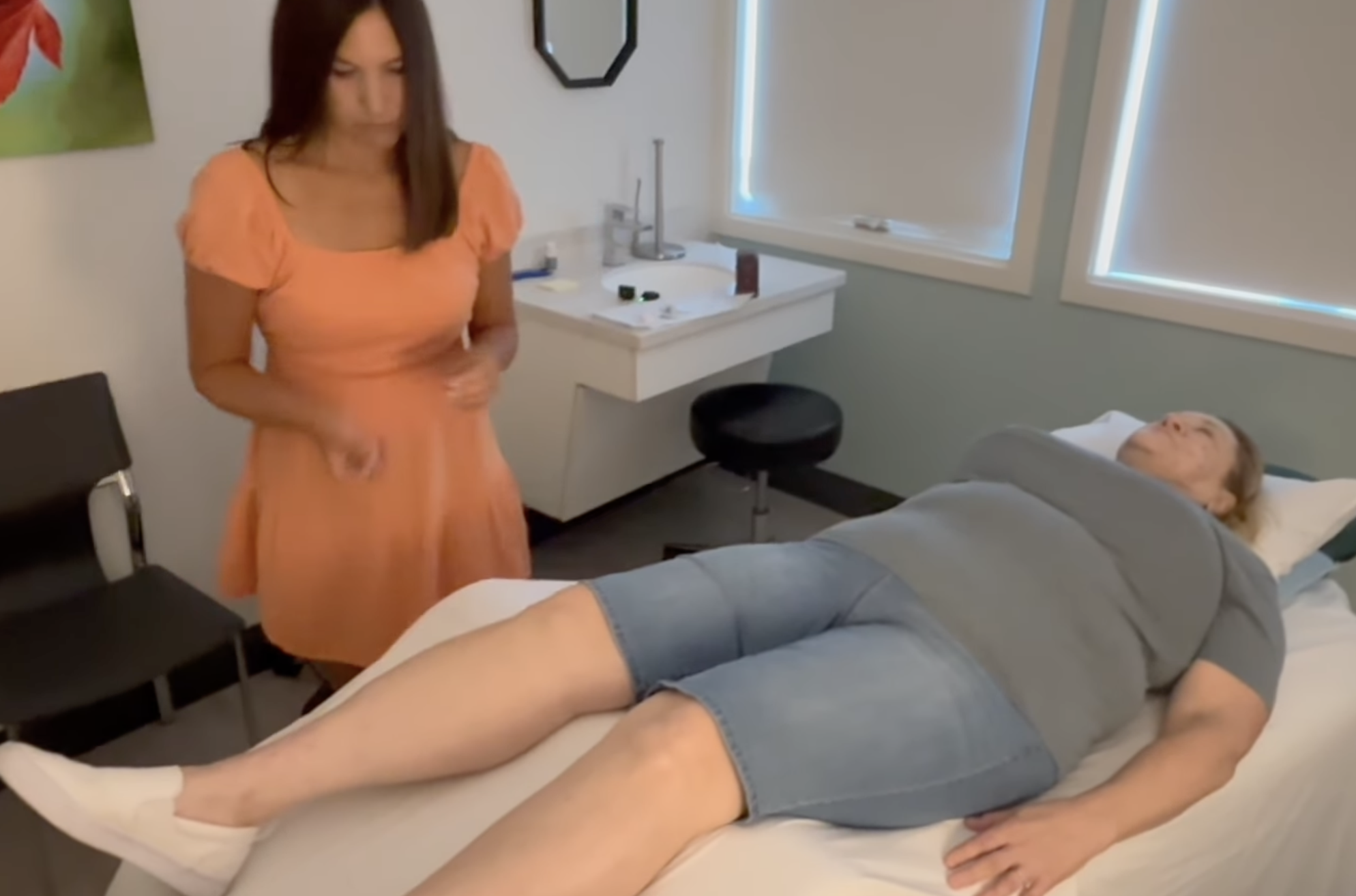
Acupuncture and Long COVID Smell Loss: What One Hospital Pilot Found
In the video, Amy Calandruccio, a board-certified, licensed acupuncturist at Middlesex Health, explains how the work started. Early in the pandemic, the center began getting calls from people who had lost taste and smell, or who were dealing with brain fog and pain. They wanted to know if acupuncture could help. She tried it, and patients responded.
The Olfactory Fingerprint
Fifty-three percent of the people we surveyed can smell reliably, all the time. That is the good news, and it is a smaller number than most people would guess about themselves and their neighbors. Everyone else sits somewhere along a gradient: 21.7% perceive scent frequently, 12.2% occasionally, 4.8% rarely. For 8.3%, there is nothing at all.

Mapping the Global Senses: Novelty & Familiarity
There is a contradiction at the heart of what we eat now. We have never had more access to the world's flavors—every spice, every technique, every fermentation protocol available on a shelf or a screen—and yet most of us, if we're being honest, still reach for the same things we reached for 10 years ago. The future of flavor is being built in kitchens and labs and cooperatives scattered across six continents, and most of it will reach you disguised as something familiar.

What Is the Healthiest Food for You?
Two people can eat the exact same food and have dramatically different blood sugar responses.
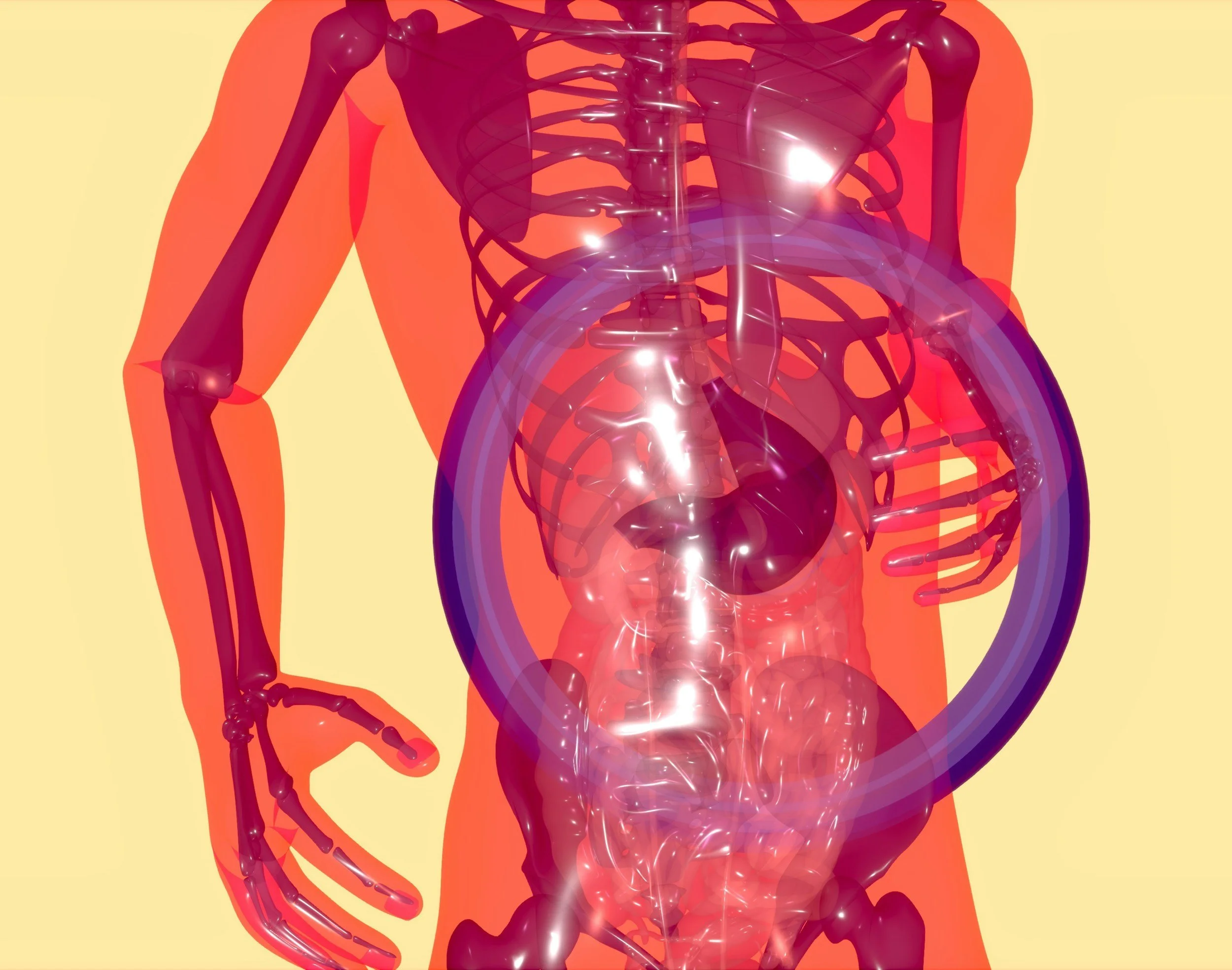
How Smell, Taste, and Your Gut Shape How You Feel
A WTSA field note on the chemosensory side of the gut–brain conversation.

World Taste & Smell Association Announces Collaboration with the Deep Space Food Consortium
The World Taste & Smell Association (WTSA), through its Space Sensory Lab, is pleased to announce a new collaboration with the Deep Space Food Consortium, fiscally sponsored by the Methuselah Foundation.

The Tongue Has No Map. The Nose Has Several.
The latest science of taste and smell is dismantling old myths and revealing something stranger, messier, and far more human.
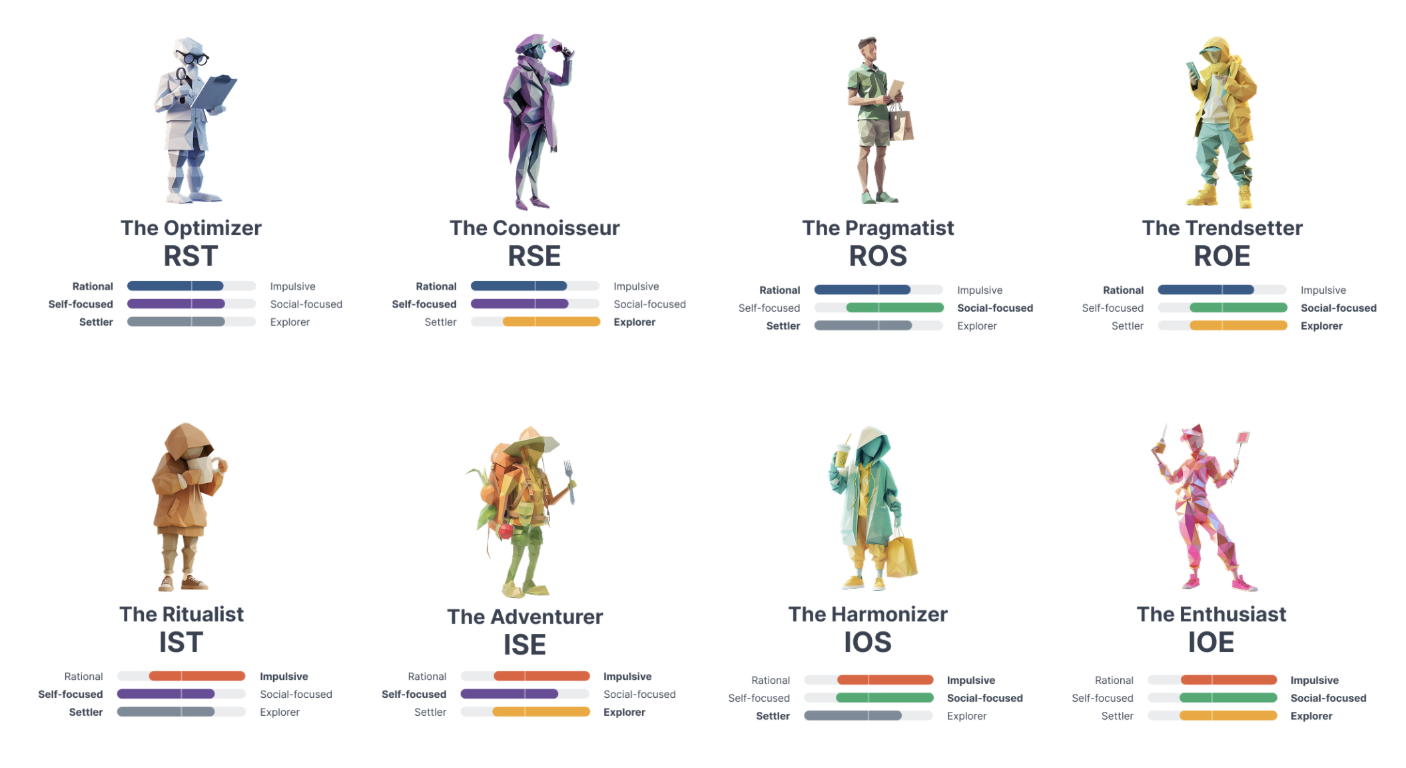
Your dinner contains over 10,000 volatile compounds. You have maybe fifteen words for them.
A new sensory and behavioral science platform and the research partnership behind it are trying to close that gap.

The Drug That Quiets Your Appetite May Also Quiet Your Nose
A new study in JAMA Otolaryngology–Head & Neck Surgery (June 25, 2026) reports that adults with type 2 diabetes taking a GLP-1 receptor agonist were roughly 48% more likely to be diagnosed with a smell or taste disturbance than matched patients on a different diabetes drug. The headline number is real. So is the part most coverage buried: the absolute risk is tiny, the study can't prove cause, and a separate body of work says these same drugs sometimes sharpen the senses they're now accused of dulling. The interesting story is the contradiction, and what it tells us about where GLP-1 drugs actually act.

When Coffee Smells Like Sewage: What Parosmia Is Really Telling Us
There is a molecule called 2-furanmethanethiol. You have almost certainly smelled it without knowing its name. It is one of the compounds that makes a fresh pot of coffee smell like a fresh pot of coffee, and a single drop of it would be detectable in a swimming pool of water. For most people, it registers as roasty, warm, faintly like popcorn. For someone with parosmia, that same molecule can smell like rot, sewage, or something burning. Same chemical, same nose, a completely different verdict.

Losing sense of smell is as bad as Parkinson’s or a stroke, study finds
Loss of taste and smell has been linked with depression, but historically it has largely been treated as an inconvenience
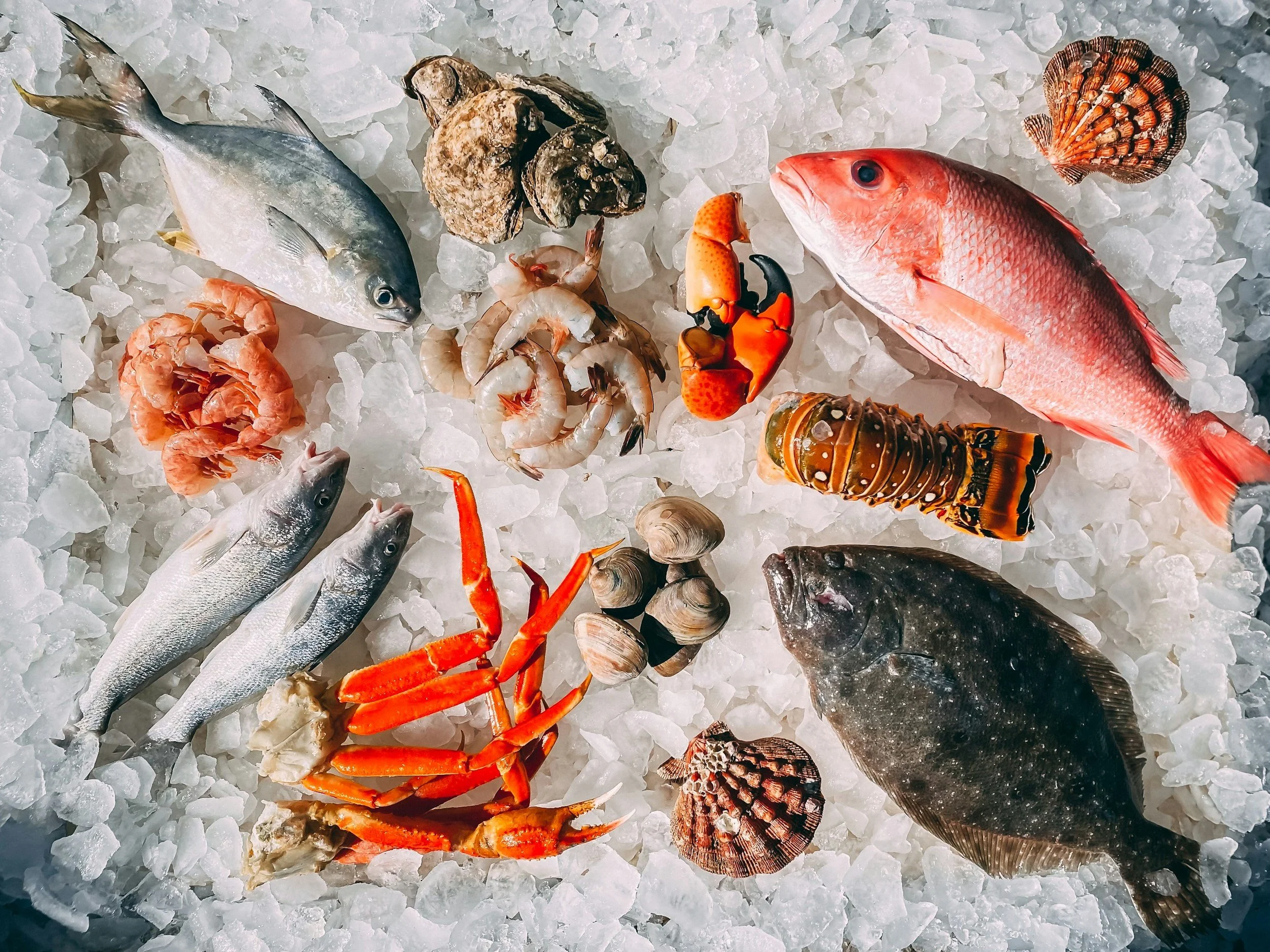
The Mussel Problem
At a summit about the future of food, the hardest question wasn’t how to grow it. It was how to get my nephew to eat it.
WTSA’s Mindy Yang spent three days at the Menus of Change Leadership Summit at The Culinary Institute of America thinking about how we get people—especially kids—to actually want to eat these foods.
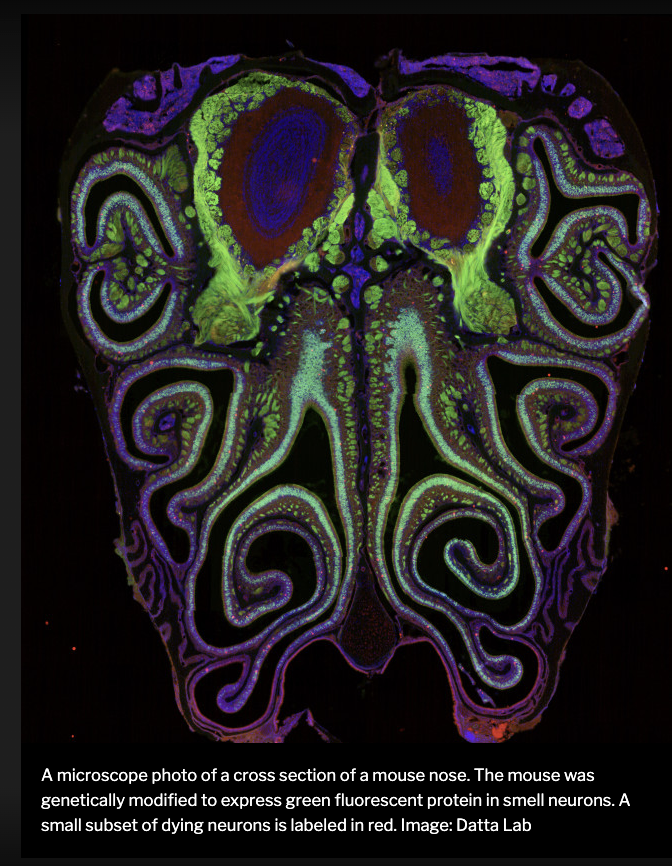
Scientists Develop First Smell Map: New Research Sheds Light on How Information Travels from Nose to Brain
Two teams of researchers looked beyond that conventional wisdom, and the results of their work, published in the latest issue of Cell, represent a major breakthrough in sensory biology and our understanding of how smell is perceived. They found that there is an orderly pattern of nasal receptors, and that order corresponds to the way the brain cells that receive olfactory signals are organized.
When Your Body Asks to Smell: Understanding Desiderosmia
People with desiderosmia want to smell certain substances urgently, repeatedly, sometimes daily, and often in ways that disrupt their daily lives. In the growing case literature, one finding stands out with remarkable consistency: when these patients are tested, their iron is almost always low.
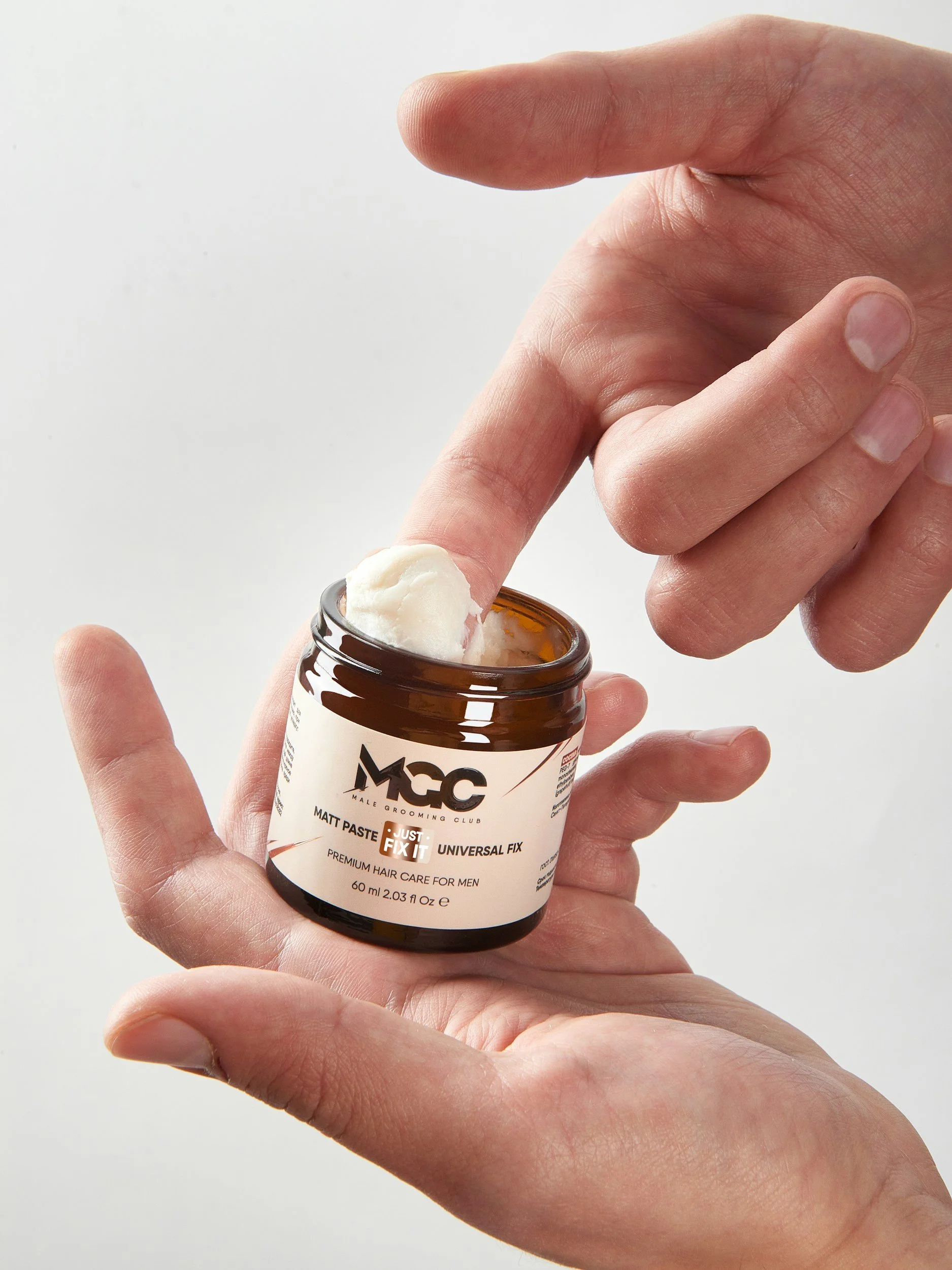
When Fragrance Becomes Identity: What Men's Grooming Tells Us About the Future of Smell
Something is happening in men's grooming that deserves more than a trend report. It deserves a closer look at the nose.
In a recent interview with Personal Care Insights, Augusto Garzon — Global Brand VP for Axe and Dove Men+Care at Unilever — laid out a striking shift in how men relate to personal care. The men's grooming market, now valued at over $50 billion globally, is no longer defined by dark packaging and one-note "sport" scents. Men are building multi-step routines. They're exploring textures, formats, and — crucially — fragrance as a mode of self-expression. Nearly half of male consumers now actively choose male-targeted products, up from just 19% a few years ago.
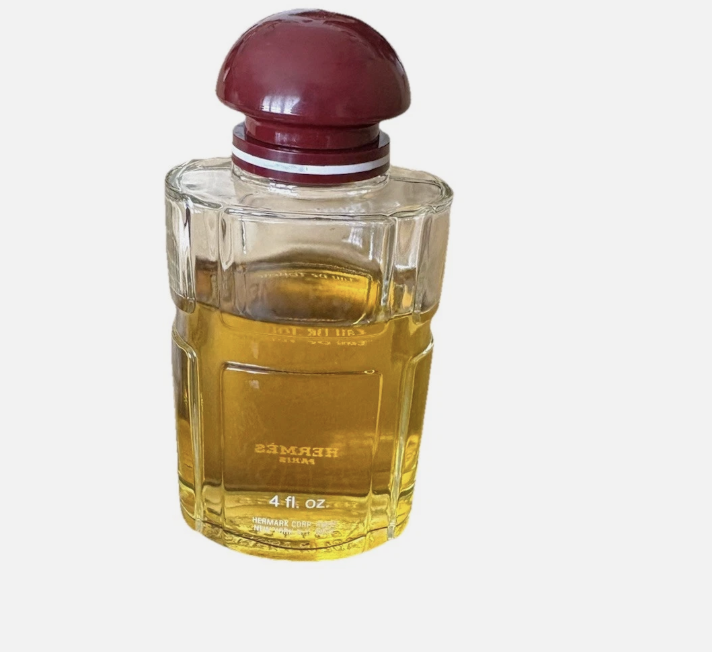
I’m Wearing Perfume on Fragrance Day, Even Though I Can’t Smell It
Wearing or noticing fragrance is a deliberate act of attention, a choice to engage our sense of smell instead of filtering it out. That attention elevates the ordinary and reminds us how powerfully emotive our sense of smell can be.

Beyond Pixels and Decibels: The Last Analog Sense
In a world where everything is filtered, optimized, and accelerated, scent and taste remain the last analog senses, and it’s no coincidence we’re fixated on them now.

The Impact of Smell Disorders on Mental Health and Relationships
On Anosmia Awareness Day, February 27, 2026, psychologist Dr. Paula Hopkins presented her unique qualitative research into the social and mental health impact of having a smell disorder.

Loss of smell in over-70s indicates higher risk of stroke and heart disease
For adults over 70, a fading sense of smell may be a subtle biomarker of systemic health—particularly vascular integrity—and could help flag individuals who warrant closer cardiovascular monitoring.
Support Our Work:
The World Taste & Smell Association is continuously seeking volunteers, sponsors, and partners to collaborate with us for local, digital, and regional events as we aim to further our mission. We invite you to connect with us and discover the numerous opportunities available for your involvement. Together, we can make a difference!