
The Mussel Problem
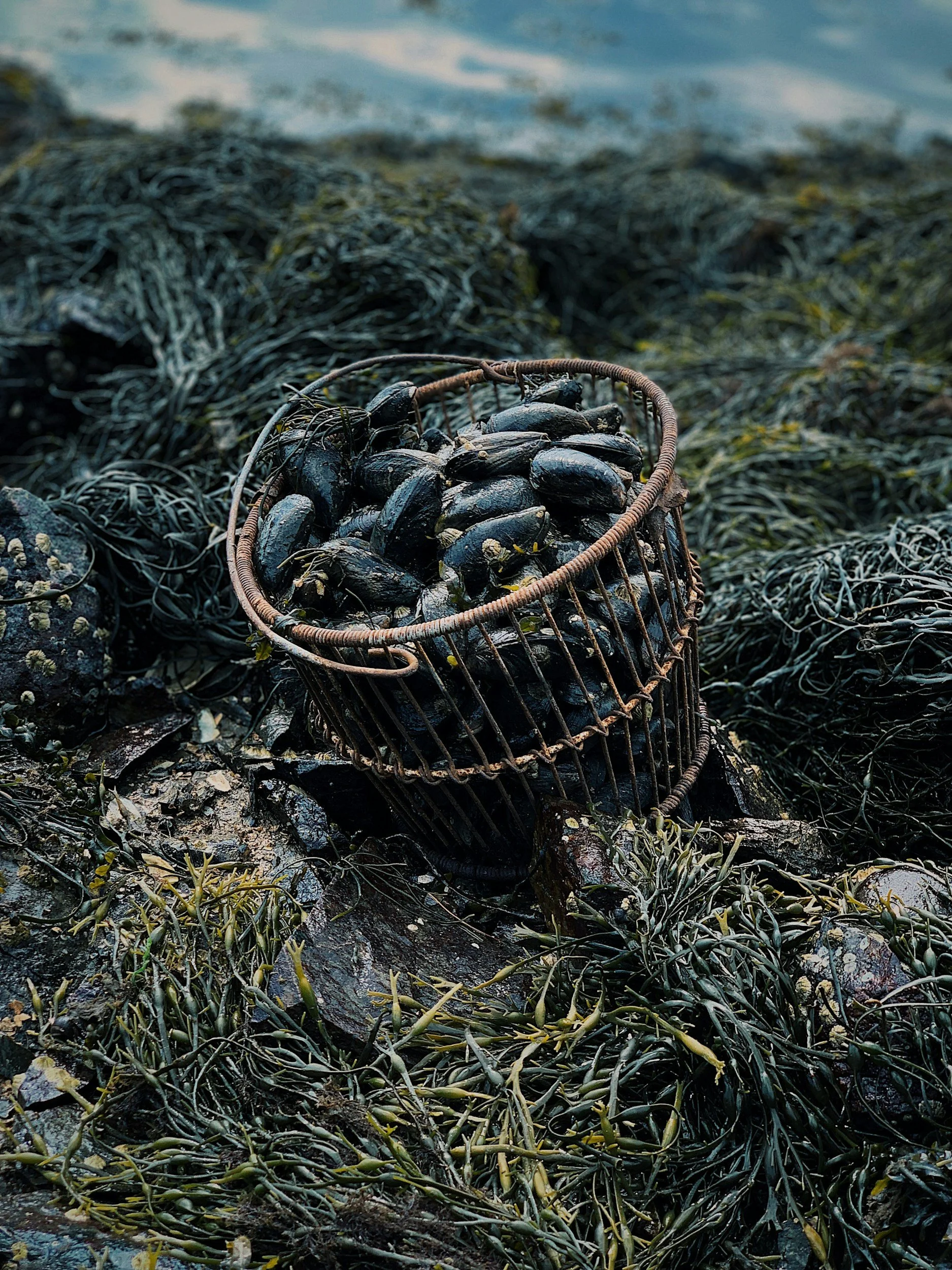
At a summit about the future of food, the hardest question wasn’t how to grow it. It was how to get my nephew to eat it.
By Mindy Yang / Also on Substack
My nephew is six, and dinner with him follows a script.
The food arrives. He leans back as if it might lunge. He announces, before tasting anything, that he doesn’t like it. There’s a negotiation—one bite, just one—and a standoff, and sometimes a small triumph, and often a plate carried back to the kitchen mostly full. Every parent and every aunt knows this table. It is the most honest focus group on earth, and it does not care about your data.
I thought about him constantly during three days at the Culinary Institute of America, because the room around me was building an airtight case for foods he would absolutely refuse.
I should say plainly that it was one of the best convenings I’ve been part of in years. The Menus of Change Leadership Summit, run jointly by the CIA and the Harvard T.H. Chan School of Public Health, has never lacked for ambition, and this year the room delivered on it. The theme was Preparing for 2035, the kind of title that invites everyone to bring their biggest idea—and the lineup was good enough that they actually did.
Marine biologists laid out the science of blue foods. Public health researchers from Harvard walked through the chronic-disease numbers without flinching. Operators running real businesses aired the things operators always air—labor, margins, a customer who wants more for less. Technologists made a serious case for AI. Investors listened for anything that scaled. The chefs, as chefs tend to do, tried to hold it all together on a plate.
What made it extraordinary wasn’t any single talk. It was the mix. You don’t often get a marine biologist, a hospital nutritionist, a venture investor, a James Beard–caliber chef, and a behavioral scientist arguing the same question in the same room, in good faith, for three days. Most conferences sort people into tribes and let each one nod along to its own panel. This one did the opposite. It put the disciplines in friction with each other and trusted that something useful would come out of the heat. It usually did.
I spend my working life at the seam between these groups, and they don’t speak the same language. Scientists talk about efficacy. Policymakers talk about outcomes. Businesses talk about adoption. Chefs talk about experience. My nephew sorts none of this. He looks at the plate and decides, in under a second, whether the thing on it is his enemy.
The blue foods conversation was where this got sharp for me.
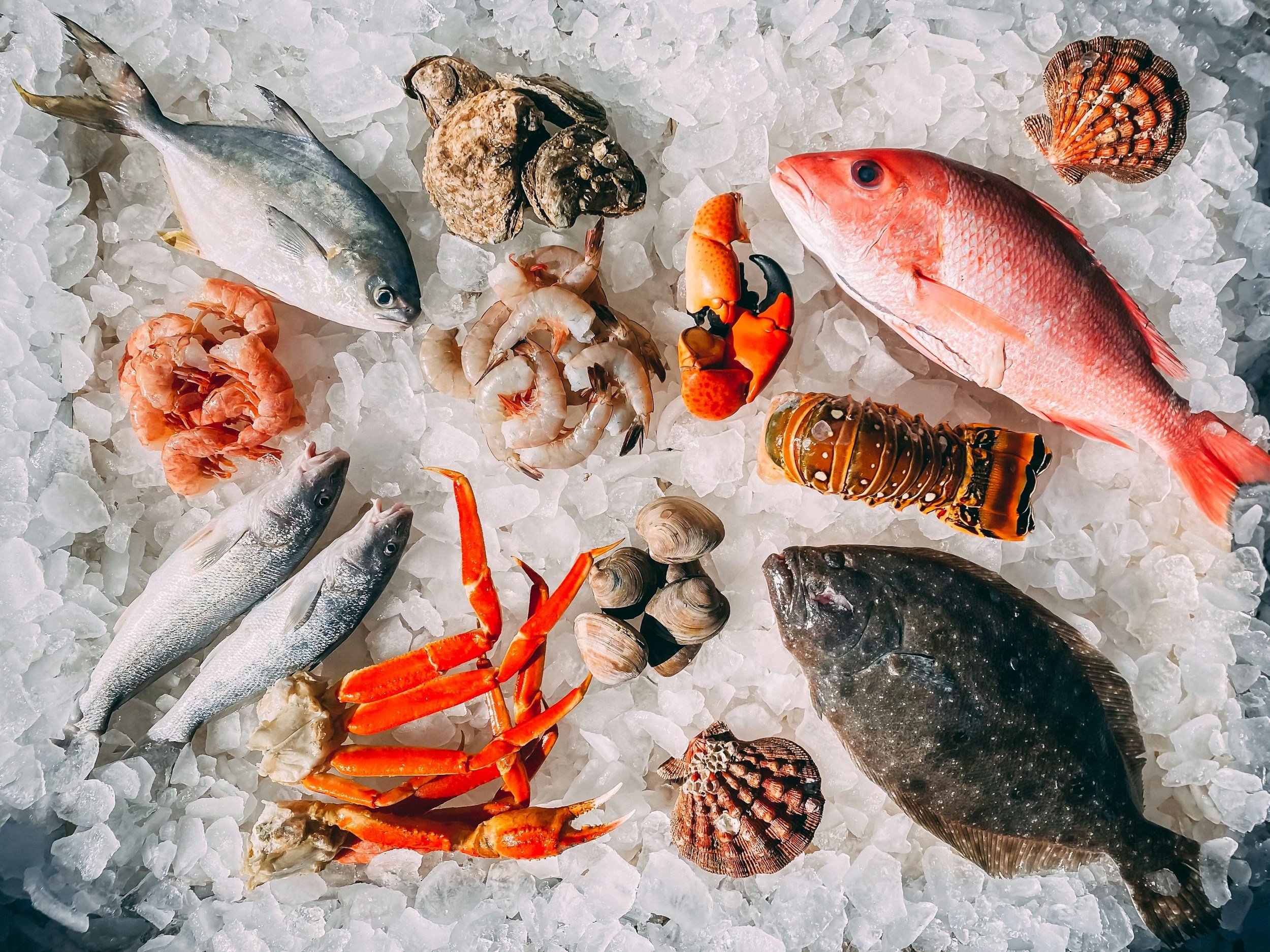
“Blue foods” is the term for anything we eat that comes from water—the ocean, lakes, rivers, farmed ponds. Fish, obviously, but the part that had the room leaning in is lower on the chain: mussels, oysters, clams, and the seaweeds, kelp and nori and dulse. These are the foods that take almost nothing to produce. Mussels and oysters need no feed at all; they filter what’s already in the water, and a single oyster can strain up to fifty gallons of it a day, pulling out the nitrogen and phytoplankton that would otherwise choke the coast into a dead zone.
Kelp—which is brown algae, not a plant—needs no freshwater, no fertilizer, no soil. It grows about two feet a day, roughly thirty times faster than anything on land, on a line a farmer hangs in winter and harvests in spring without irrigating an acre or feeding a single animal. Set that against beef, where it takes something like six to ten pounds of feed to put one pound of meat on the plate, and the appeal is obvious. The science is genuinely good. The ecology holds up, the nutrition holds up, the economics are starting to.
And I sat there thinking: how do I get a six-year-old to eat it.

That sounds small next to biodiversity collapse and global protein demand, almost embarrassingly small, and I think it’s close to the whole game. Every food transition in history has ended at the same place—not a policy paper or a fermentation tank but a dinner table. A parent coaxing. A school lunch director squinting at a cost sheet. A guest deciding whether to be brave tonight. Someone in a grocery aisle giving a package four seconds before they move on. Adoption lives in those seconds, and the people designing the future of food are mostly not in the room when they happen.
We keep making the same mistake, which is to assume understanding produces appetite. Tell people a food is good for them and good for the planet, the thinking goes, and they’ll come around. People have never worked that way.
Texture decides things. So does smell, the look of the thing, the word on the menu, whether the mussel arrives in a shell you have to pry or one a cook already loosened because she knew you’d hesitate.
And this is where the West has the most to learn from the East—because the cuisines of Japan, China, and Korea solved the blue-food problem centuries ago, not as a sustainability project but as plain good cooking. Consider the three foods I’d most like my nephew to accept, because each one shows how much the sensory experience, and the cultural knowledge behind it, does the deciding.
Tofu is the cautionary tale. Soy is one of the most efficient proteins we have, cheap and complete and endlessly adaptable, and yet for a generation of American eaters the word still conjures a wet white cube with the personality of a sponge. Its reputation is a result of preparation failure, not product failure.
Tofu has almost no flavor of its own—its entire identity is texture and what it’s allowed to absorb. Pressed and seared, it turns crisp at the edge and custardy inside; left silken, it slips apart like a soft pudding; frozen and thawed, it goes chewy and meaty and drinks up sauce. The ingredient never changed. The cooking did, and in the hands of cooks who understood it—Sichuan mapo, Japanese agedashi, Korean sundubu... While the West often approached soy as a nutritional proposition, much of Asia encountered it differently: as food. Tofu, miso, soy sauce, tempeh, and countless regional preparations became staples not because they were promoted, but because they tasted good, nourished communities, and endured.
Kelp is tofu’s situation in reverse. It walks in carrying baggage—seaweed, the sea, something slick and alien—and the baggage is mostly unearned. Kelp is one of the great natural reservoirs of glutamate, the molecule behind umami, the deep savory roundness we crave without being able to name.
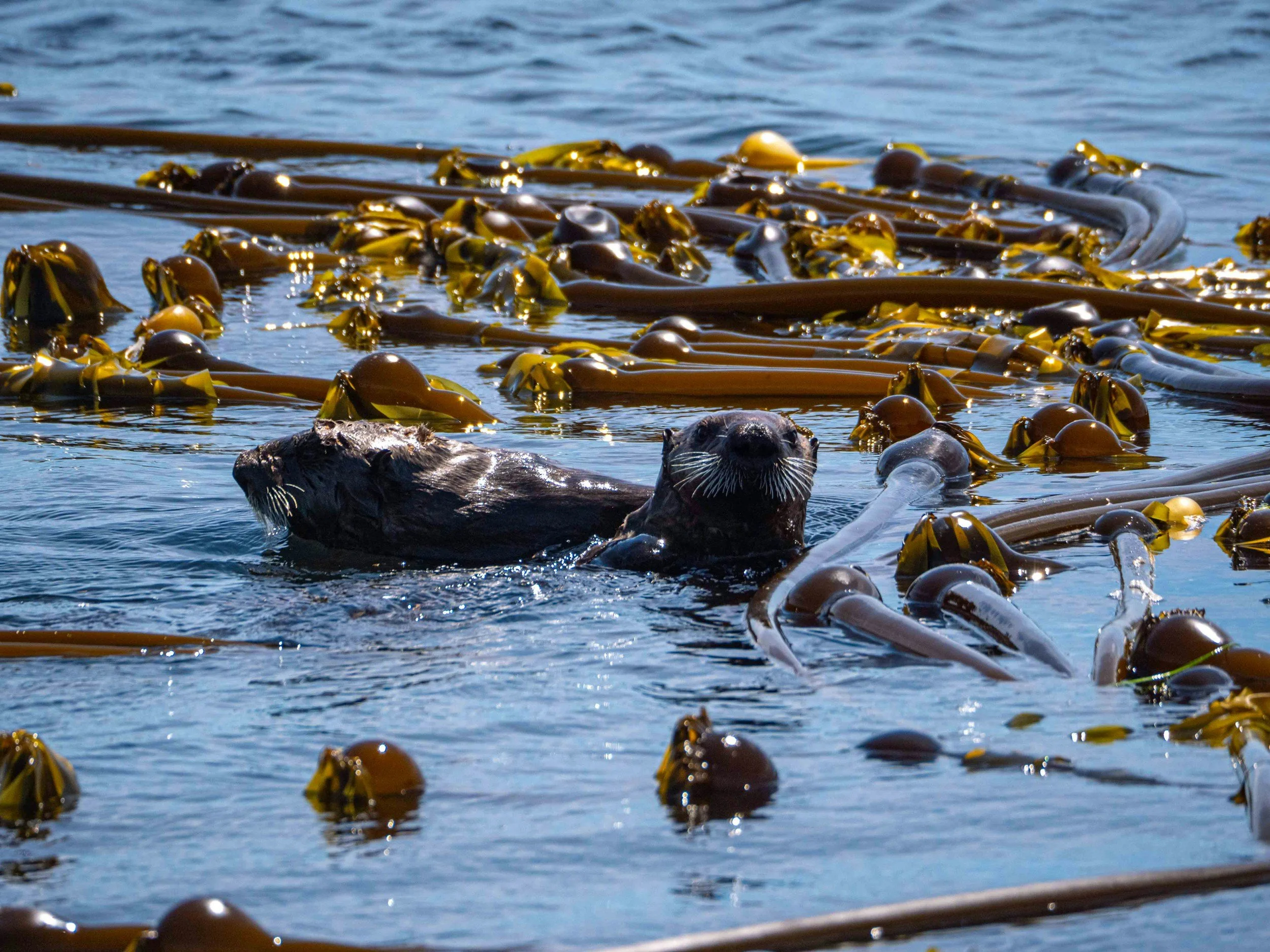
Dashi, the broth under much of Japanese cooking, begins with kombu, a kelp steeped in water for exactly this reason; add katsuobushi, the dried bonito flakes, and the two compound into something far more savory than either alone. That trick—glutamate from the kelp, inosinate from the fish, multiplying each other on the tongue—is the same one a chemist named umami only in 1908, long after Japanese cooks were already building meals on it.
The mouthfeel is the obstacle for a Western palate. Handled carelessly, kelp turns to slime, and slime is close to a human universal for “do not eat.” Handled well—blanched until it snaps, shaved thin, crisped into a chip—it reads as clean and briny and faintly sweet. The algae didn’t change between those two outcomes. The magic is in the technique.
Mushrooms round out the lesson. Because my nephew has at least seen one before, it’s the easiest to sell of the three. A mushroom is the rare food that delivers meaty depth with no animal attached, which is exactly why it has anchored Buddhist temple cooking across East Asia for centuries.
Dried shiitake, soaked and simmered, makes a vegetarian dashi all its own, rich with guanylate—another of the umami nucleotides, and one that pairs with kelp’s glutamate to amplify savoriness the way bonito does. The cooks who built shojin ryori, the meatless cuisine of Japanese Buddhist monasteries, were running sophisticated flavor chemistry without the vocabulary for it, layering kelp and mushroom precisely because the combination tastes like more than the sum of its parts. The texture does the rest: a roasted king oyster mushroom, torn and seared, has the chew and the browned edge of meat.
There’s a deeper lesson hiding in all of this, and it’s the one the summit kept circling without quite naming: blue foods only make sense if you think in systems, across disciplines, over long stretches of time. That turns out to be the thing we are worst at.
An oyster is not just a thing you eat. It is also a water filter, a reef, a carbon sink, a job, a flavor, and a cultural habit, all at once—and you cannot reason about one of those without the others. The marine biologist sees the filtration. The chef sees the brine and the texture. The economist sees the harvest. The public health researcher sees the protein. Each is correct, and each is partial, and the food only works when someone holds all of it in view at the same time. The problem is we are not traditionally trained for that. We are trained to optimize one variable and move on.
I thought about this watching the news out of Washington this month, where the Lincoln Memorial Reflecting Pool turned bright green with algae about a week after a renovation that cost more than fourteen million dollars. The Park Service’s answer was to send workers out with gallon jugs of hydrogen peroxide and pour them, by hand, into six and a half million gallons of water! The pool is shallow, warm, and nearly still—which is to say it is a machine for growing algae—and an algae specialist quoted in the coverage named the flaw in the plan without much ceremony: kill the bloom chemically and the dead algae becomes the feed for the next one. You haven’t solved anything. You’ve bought a few weeks and guaranteed the rebound, on schedule, all summer.
As a regenerative researcher and farmer, I look at that pool much the same way many blue-foods experts do and see something else entirely. Algae is a nutrient problem—too much nitrogen and phosphorus, not enough anything eating it. Filter feeders eat exactly that. Freshwater mussels, the unglamorous cousins of the ones we’d serve for dinner, each strain gallons of water a day and lock the surplus nutrients up in their bodies; harvest the mussels and the nutrients leave with them. It’s the same logic that lets oyster reefs clean estuaries and kelp lines buffer an acidifying coast. I’m not seriously proposing we seed a national monument with shellfish—the optics alone would be their own news cycle. The point is that the chemical reflex and the biological one come from two completely different ways of seeing, and we reliably default to the one that works for a fortnight over the one that works for a decade.
That default is the real obstacle, larger than any single food. Circular systems—where the waste of one process feeds the next, where a crop cleans the water it grows in—ask us to think the way an ecosystem thinks, which is to say slowly, sideways, and all at once. The linear reflex is faster and feels decisive: identify the nuisance, kill it, declare victory, repeat next summer. Most of our institutions are built for the second mode and quietly baffled by the first. The most radical thing about the blue-foods conversation is that it can’t be held in the linear register at all.
This is why the spread of people at the summit encouraged me. The sustainability conversation defaults to the supply side—grow it, scale it, measure it, finance it—and those are real questions someone has to answer. They’re also not the questions that get the fork to the mouth. That job belongs to chefs, sensory scientists, behavioral researchers, teachers, designers, the people who know how to tell a story about a food so it stops being a lecture and becomes dinner. The summit was rare in giving all of them a seat at once.
Policy is starting to catch up to the science, slowly. Regulators are working out how to classify and approve seaweed as it moves from a niche import to a domestic crop, and questions that sound dull—how kelp is graded, how a new soy or algae protein clears a safety review, whether a school lunch program is even allowed to buy it—are exactly the questions that decide whether any of this reaches a plate. A food that can’t get through procurement never gets the chance to be refused by a child, which is its own kind of failure.
This is also where I get uneasy about the AI conversation, which took over the third day.
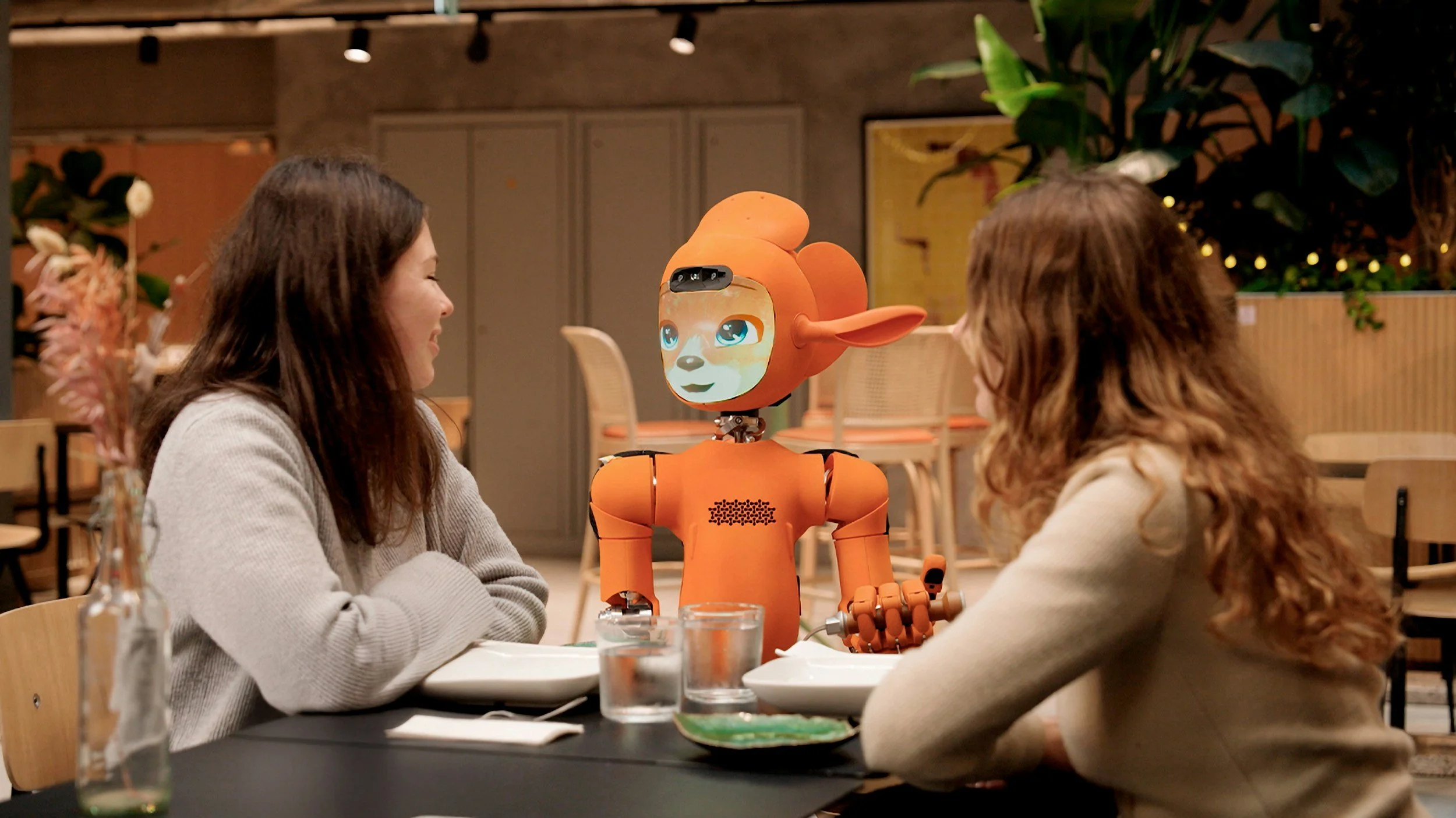
Most of it was sensible and unglamorous. Forecast demand, tighten purchasing, cut waste, catch the trend before a competitor does. There’s real promise in the parts closer to my work, too. A model can sift thousands of recipes and flag which preparations consistently beat kelp’s slime problem, or predict how a new tofu will behave before a test kitchen wastes a week on it, or read the regional patterns in what people actually buy and tell a chef which version of a dish has a prayer in Topeka versus Brooklyn. Most of this happens where no guest can see it, and that’s correct—the best technology vanishes into the walls.
What stayed with me was the part the machine can’t do. Hospitality runs on interpretation. A sales report tells you what moved; it has no idea why. A trend line tells you a category is heating up; it can’t tell you whether the heat is nostalgia, anxiety, aspiration, or somebody’s cardiologist. A model offers possibilities. A person still has to look at them and say: that one. The operations that win the next decade won’t be the ones holding the most data. They’ll be the ones who can read it—who can turn a column of numbers back into something a six-year-old will actually swallow without a fight. That’s closer to cultural literacy than to computing: knowing how people really eat, remember, celebrate, and grieve through food.
I left Hyde Park more hopeful than I expected. From the quality of the questions, and of the people asking them—about health, about equity, about whether the technology serves the cook or replaces them, and above all whether the food we’re so carefully engineering will be any good to eat. I have been to a lot of conferences. Few send you home thinking harder than you arrived. This one did.
It also left me impatient for the next round. The CIA picks up the same thread this November at its Worlds of Flavor conference in Napa, where the 2026 theme—Asia on Our Menus—points straight at the cooking traditions that have known what to do with soy, seaweed, and mushrooms all along. The question the West keeps treating as new, how to make a sustainable ingredient genuinely crave-able, is one those kitchens answered centuries ago. I suspect the most useful ideas in our food future will keep arriving from that direction.
Because the foods that have ever changed how a culture eats were rarely the ones people were instructed to choke down for the good of the planet. They were the ones somebody tasted and immediately wanted again. I’d settle, for now, for one clean bite from a six-year-old who came in certain he’d hate it.
With thanks to the teams at the Culinary Institute of America and the Harvard T.H. Chan School of Public Health, and to the speakers, organizers, students, and researchers who made this year’s summit what it was.
P.S. — A note to the flavor houses, ingredient makers, and product developers reading this: the gap between a sustainable ingredient and a craveable one is exactly your territory, and conversations like Worlds of Flavor (worldsofflavor.com) are where that work gets seen. If your company is weighing how to get involved or sponsor, I’m glad to make an introduction—reach out and let’s talk.
