Turning Sensory Science into Action
The World Taste & Smell Association (WTSA) is a global alliance of sensory experts, advocates, and innovators committed to advancing the science of taste and smell—and its vital role in quality of life.
As a nonprofit think tank, applied research partner, and media platform, WTSA translates sensory science into real-world impact through education, advocacy, and public engagement.
We foster cross-disciplinary collaboration, champion equity in sensory health, and empower innovation across healthcare, consumer products, and culture.
From taste and smell disorders to multisensory product development, WTSA leads high-impact initiatives that bridge research, storytelling, and strategic partnerships to improve well-being for all.
You asked, and we agree!
We’re extending the online conversation through December So You have more time to Share your work with Our community
Designing the Feel.
Researchers, clinicians, creators, and curious minds from every timezone are invited to explore new research, emerging products, and more human ways to design with scent, flavor, and feeling. Millions of people live with smell or taste loss, yet many never receive a diagnosis. Together, we celebrate the senses, innovate for them, and advocate for those who have lost them.
September’s calendar filled quickly. Many members of our community were traveling, while new ideas and presentation proposals continued to arrive. Extending the Summit means more voices, broader access, and more support for the people who need it—but it also means additional production hours, platform costs, and coordination for our small nonprofit team.
You can help us keep these conversations free and open to the public. Sponsor a session, contribute as a speaker, or make a donation to support the extended program.
The Silent Epidemic
Disorders of smell and taste are common, consequential, and largely invisible. Here is what the science shows — and why it deserves your attention.
WTSA Public Health Survey · 2026
The Human Taste & Smell Spectrum, A descriptive study
What hundreds of Americans told us about memory, emotion, and everyday life — and why the senses we rarely measure may belong in the public-health conversation.
Smell
Seven factsSmell bypasses the thalamus
Every other sense relays through the thalamus before reaching the cortex. Smell skips that step. Its signals reach the amygdala and hippocampus, the brain’s emotion and memory centers, within a synapse or two. It’s one reason a scent can trigger such potent memories.
You have your own odor
Each of us carries a unique personal scent signature.
Smell starts in the womb
In the third trimester, a fetus can detect odors in the amniotic fluid, including traces of what its mother eats. Within days of birth, a breastfed newborn can pick out its mother by scent alone.
Olfactory cells regenerate
Most nerve cells, once lost, are gone for good. Olfactory neurons are a rare exception. They’re replaced throughout life, many every month or two.
Receptors are everywhere
Olfactory receptors aren’t only in your nose. They’ve been found throughout the body, where they appear to play roles in wound healing, hair growth and metabolic control. They may even help a sperm find an egg.
People can track like dogs
Dogs have far more smell receptor cells than we do, yet humans outperform them on some odors. UC Berkeley researchers showed that people on hands and knees can follow a scent trail across a field, and get better with practice.
Not everyone can smell
At least 139 medical conditions are associated with anosmia or reduced smell. Some arrive through illness or injury; some people are born without the sense at all.
Taste
Eight factsThe tongue map is a lie
That grade-school diagram of taste zones isn’t real. There are no separate regions of the tongue for specific tastes.
Supertasters are real
Roughly a quarter of people experience certain bitter compounds (and often other tastes) with unusual intensity. It’s partly genetic, and scientists are still working out the rest.
You’ve never seen a taste bud
Those bumps on your tongue are papillae. Most carry no taste buds at all; they grip food and sense texture. The microscopic buds sit inside the rest.
Taste isn’t only on the tongue
Taste buds also sit on the soft palate, in the throat and in the upper esophagus. Taste receptors turn up even farther afield, in the gut and airways.
About ten days
That’s the average life of a taste cell. Each bud is constantly rebuilt from within. Some cells last just over a week, others several weeks.
About three inches
The average adult tongue, tip to root.
We taste with the nose and brain
Taste buds detect five basics: sweet, salty, sour, bitter and umami. Most of what we call flavor comes from retronasal smell, as aromas rise from the back of the mouth to the nose while we chew. Texture, temperature, sight, setting, culture and memory layer on top.
Some preferences are inherited
Variants in a bitter-taste receptor gene change how strongly you sense certain bitter compounds. A variant among smell-receptor genes is linked to whether cilantro tastes bright or soapy.
Sources
Numbers match the facts above.
- 01
Sarnat HB, Flores-Sarnat L, Wei XC. Olfactory development, part 1: function, from fetal perception to adult wine-tasting. J Child Neurol, 2017.
- 02
Penn DJ et al. Individual and gender fingerprints in human body odour. J R Soc Interface, 2007.
- 03
Sarnat HB, Yu W. Maturation and dysgenesis of the human olfactory bulb. Brain Pathol, 2016.
Macfarlane A. Olfaction in the development of social preferences in the human neonate. Ciba Found Symp, 1975.
- 04
Ullah MN, Rowan NR, Lane AP. Neuroimmune interactions in the olfactory epithelium: maintaining a sensory organ at an immune barrier interface. Trends Immunol, 2024.
- 05
Maßberg D, Hatt H. Human olfactory receptors: novel cellular functions outside of the nose. Physiol Rev, 2018.
- 06
Porter J et al. Mechanisms of scent-tracking in humans. Nat Neurosci, 2007.
McGann JP. Poor human olfaction is a 19th-century myth. Science, 2017.
- 07
Leon M, Troscianko ET, Woo CC. Inflammation and olfactory loss are associated with at least 139 medical conditions. Front Mol Neurosci, 2024.
- 08
Spence C. The tongue map and the spatial modulation of taste perception. Curr Res Food Sci, 2022.
- 09
Bartoshuk LM et al. PROP (6-n-propylthiouracil) supertasters and the saltiness of NaCl. Ann N Y Acad Sci, 1998.
Garneau NL et al. Crowdsourcing taste research: genetic and phenotypic predictors of bitter taste perception as a model. Front Integr Neurosci, 2014.
- 10
Garg R, Trillo G, Brizuela M. Anatomy, head and neck, tongue taste buds. StatPearls, 2025.
- 11
Garg R, Trillo G, Brizuela M. Anatomy, head and neck, tongue taste buds. StatPearls, 2025.
Finger TE, Kinnamon SC. Taste isn’t just for taste buds anymore. F1000 Biol Rep, 2011.
- 12
Perea-Martinez I, Nagai T, Chaudhari N. Functional cell types in taste buds have distinct longevities. PLOS ONE, 2013.
- 14
Shepherd GM. Smell images and the flavour system in the human brain. Nature, 2006.
Chandrashekar J et al. The receptors and cells for mammalian taste. Nature, 2006.
- 15
Kim UK et al. Positional cloning of the human quantitative trait locus underlying taste sensitivity to phenylthiocarbamide. Science, 2003.
Eriksson N et al. A genetic variant near olfactory receptor genes influences cilantro preference. Flavour, 2012.
Listen up.
Join us for inspiring stories and bold ideas from visionaries redefining the future of taste and smell.
Hosted by Mindy Yang and Stephanie Feuer,
The World of Taste & Smell is a podcast series that unpacks the art, science, and innovation shaping our sensory world.

Make an impact today
Support our mission with a donation.

Volunteer with us
Whether it’s a few hours or a full day, your time and talents can help lift others and move our mission forward.
Join us to make meaningful change.
you belong in our Community
Friends of WTSA
✓ First Access to WTSA content (articles, podcasts, etc.)
✓ Special access to classified (jobs, grants, etc.)
✓ Invite with discount to WTSA exclusive events
✓ Access to Videos On Demand
Popular
Resources On-Demand
✓ Unlimited access
to WTSA online content +
Virtual Support
The Catalysts
Contributing Advisors
for Researchers, post-docs, brand strategists, insight journalists, cultural curators.✓ Membership in a global, decentralized research community
✓ Peer-to-peer learning, mentorship, and emotional support
✓ Access to projects with brand sponsors (paid opportunities)
✓ Networking + exposure (PR, thought leadership features)
✓ Scholarships available for under-resourced voices
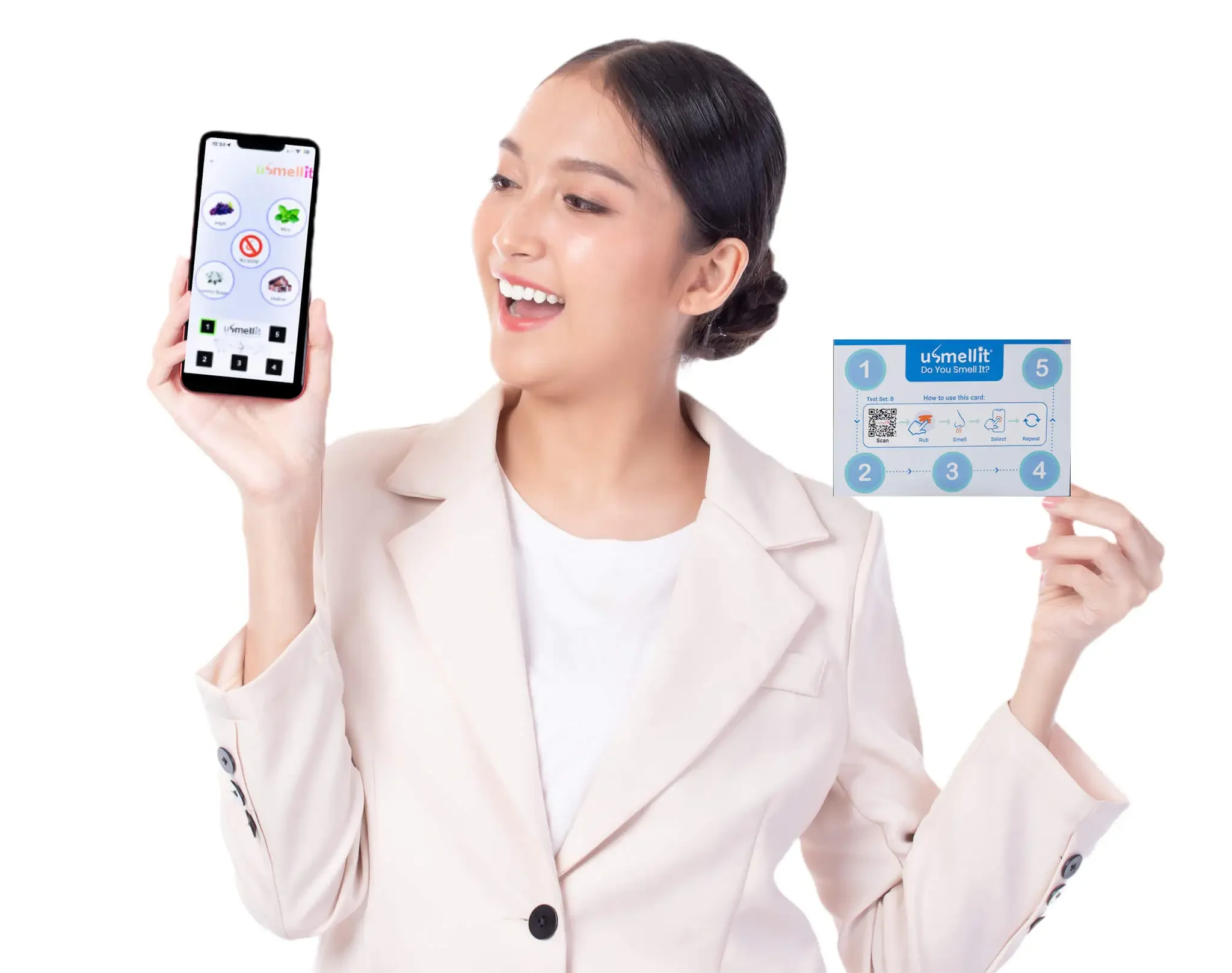
Discover U-Smell-It— a simple, science-backed way to check your sense of smell and contribute to groundbreaking research. Developed by Yale professor and XPRIZE-winning scientist Derek Toomre with CEO Kimmo Piironen, this rub-and-sniff test turns everyday curiosity into meaningful longitudinal data.
For just $35, you’ll receive a set of test cards that connect to the secure U-Smell-It app, helping both you and scientists track changes in smell over time. Each purchase supports the World Taste & Smell Association’s nonprofit mission to advance sensory health and education.
Shop to Support

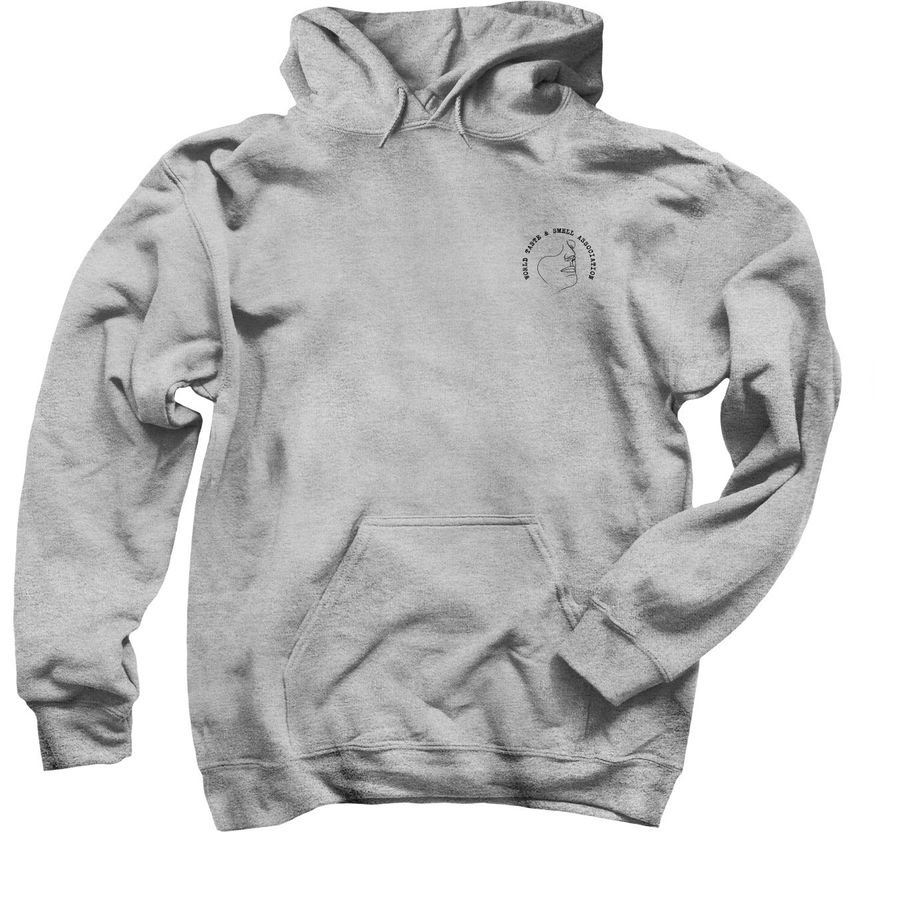
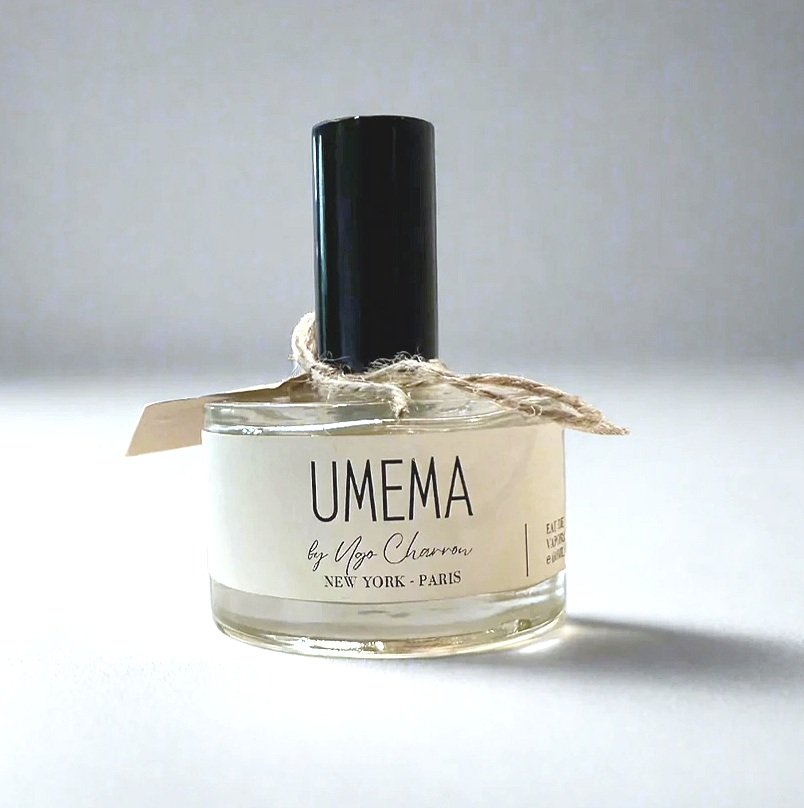
Umema by Ugo Charron,
a limited-edition perfume
“Creating UMEMA was a journey of synesthetic exploration, celebrating a fragrance that transcends traditional boundaries, connecting us all through the universal language of scent.” Launching at the Global Taste & Smell Summit.
UMEMA is sold here &
at Perfumarie.
This project is made possible by Perfumarie, MANE, Ugo Charron, the World Taste & Smell Association, Stephanie Feur, and Emmanuelle Dancourt.
We are grateful for your collaboration & support: