Welcome to the WTSA Newsroom — a global hub for sensory science, wellness, advocacy, cross-modal creativity, and the future of perception.
Our mission is to advance well-being and sensory awareness through interdisciplinary storytelling, research, advocacy, and innovation. We believe that taste and smell are not just biological senses — they are portals to memory, identity, healing, and connection.
We invite submissions from scientists, clinicians, chefs, perfumers, flavorists, technologists, artists, farmers, philosophers, and storytellers who explore the world through the senses.
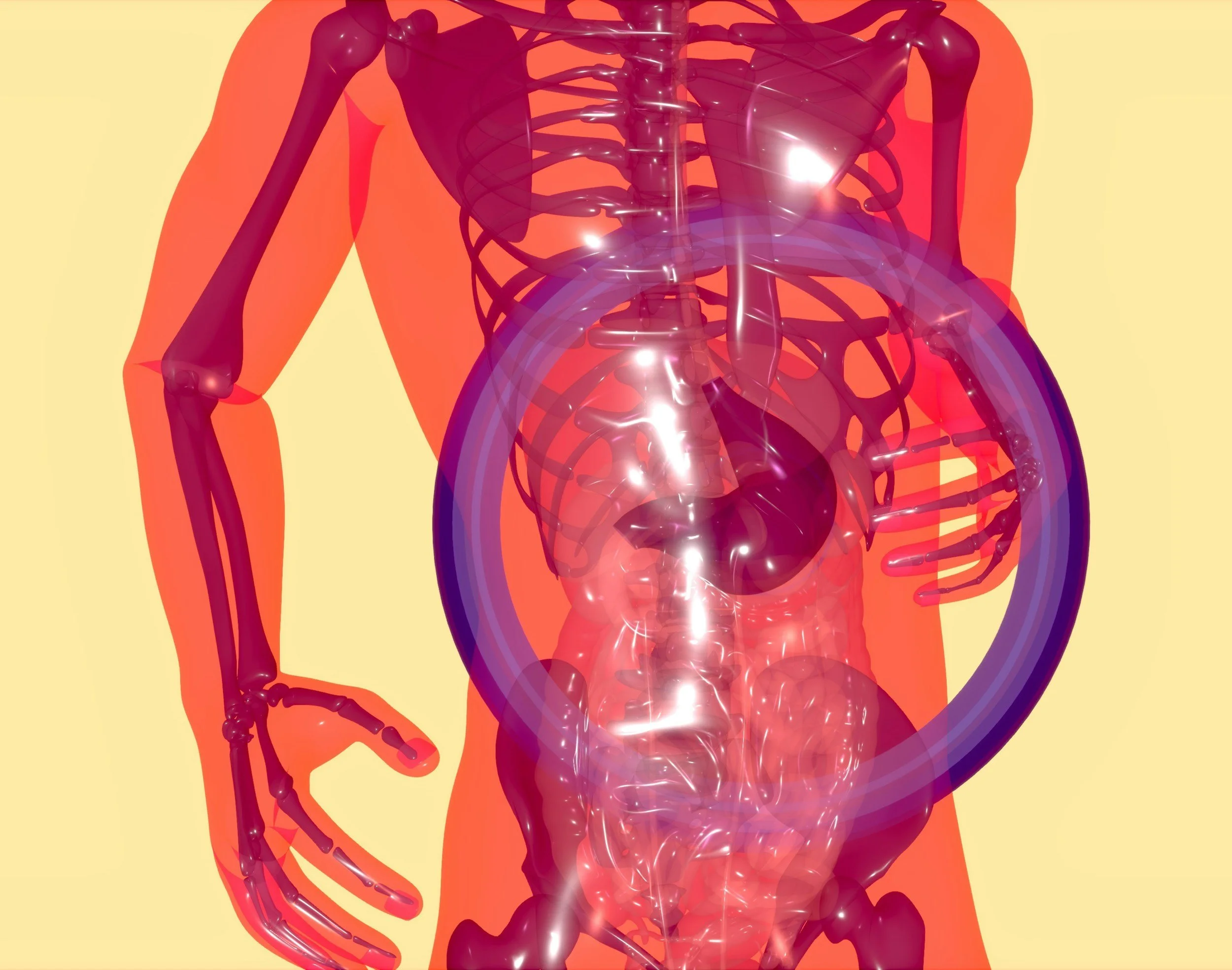
How Smell, Taste, and Your Gut Shape How You Feel
A WTSA field note on the chemosensory side of the gut–brain conversation.
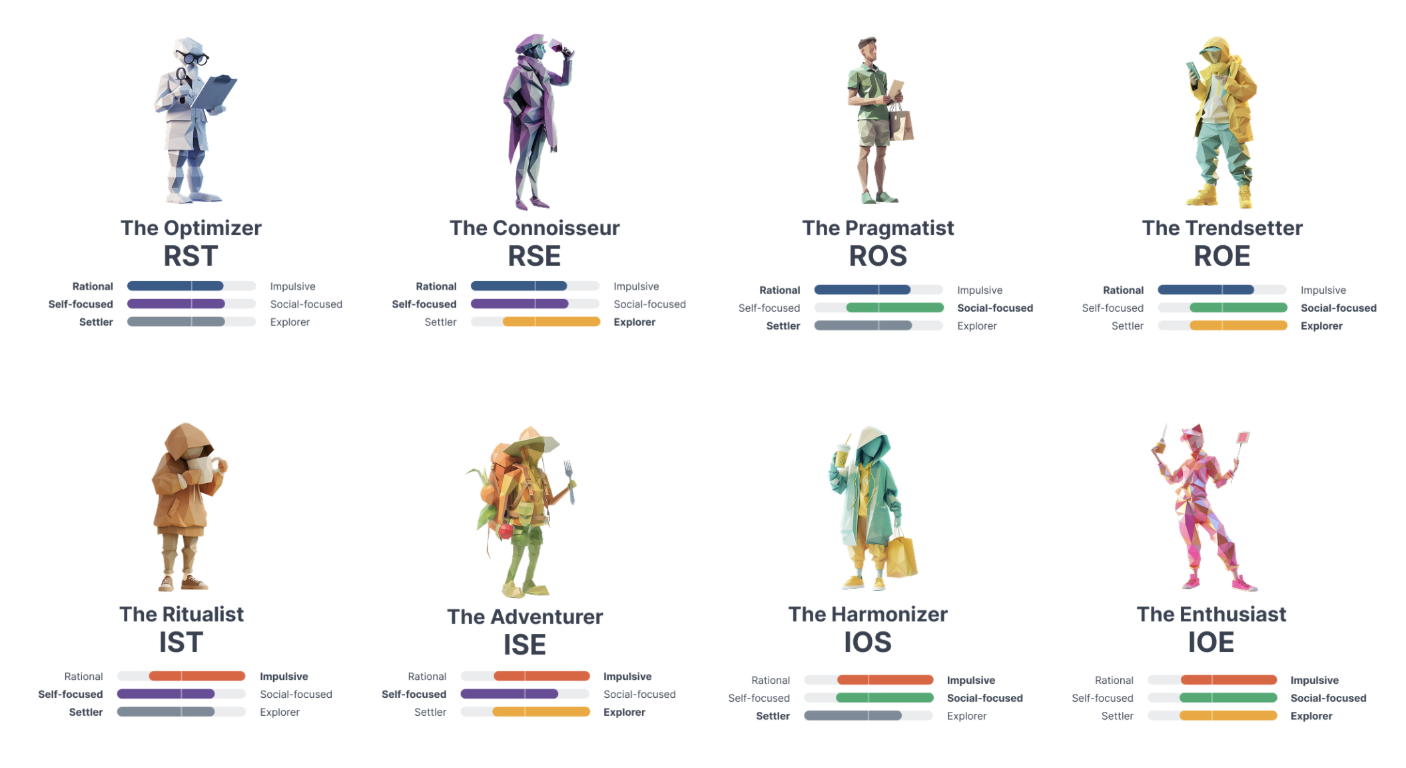
Your dinner contains over 10,000 volatile compounds. You have maybe fifteen words for them.
A new sensory and behavioral science platform and the research partnership behind it are trying to close that gap.

The Impact of Smell Disorders on Mental Health and Relationships
On Anosmia Awareness Day, February 27, 2026, psychologist Dr. Paula Hopkins presented her unique qualitative research into the social and mental health impact of having a smell disorder.

Virtual Taste Makes Its Debut — Reality Gets a Flavor Upgrade
Scientists at Ohio State University have unveiled a bold new step toward immersive virtual reality: a device called e-Taste that makes “virtual food” — literally — tasteable.

Multisensory Congruency Strengthens Olfactory Training
A recent study in Chemical Senses found that when participants experienced congruent multisensory stimulation (e.g., taste + smell), their perception of “likeness” was enhanced. In contrast, incongruent cues weakened perception. Interestingly, gustatory co-stimulation exerted a stronger influence than visual pairing, suggesting that cross-modal taste–smell integration has particular power in shaping how we learn and interpret odors.

Retronasal Odors and the Brain: A Shared Neural Code for Flavor
A new study published in Nature Communications demonstrates that retronasal odors alone — without concurrent taste stimulation — can activate flavor-specific neural coding in the human insula, the brain region that integrates sensory, emotional, and cognitive information. This finding shows that aromas can be processed as “flavors” before reaching the frontal cortex, underscoring the central role of retronasal olfaction in how we perceive taste.

Tasting with Your Nose: Brain Imaging Reveals Role of Retronasal Olfaction
A new study provides a possible explanation for why we sometimes experience taste from smell alone.
Support Our Work:
The World Taste & Smell Association is continuously seeking volunteers, sponsors, and partners to collaborate with us for local, digital, and regional events as we aim to further our mission. We invite you to connect with us and discover the numerous opportunities available for your involvement. Together, we can make a difference!